
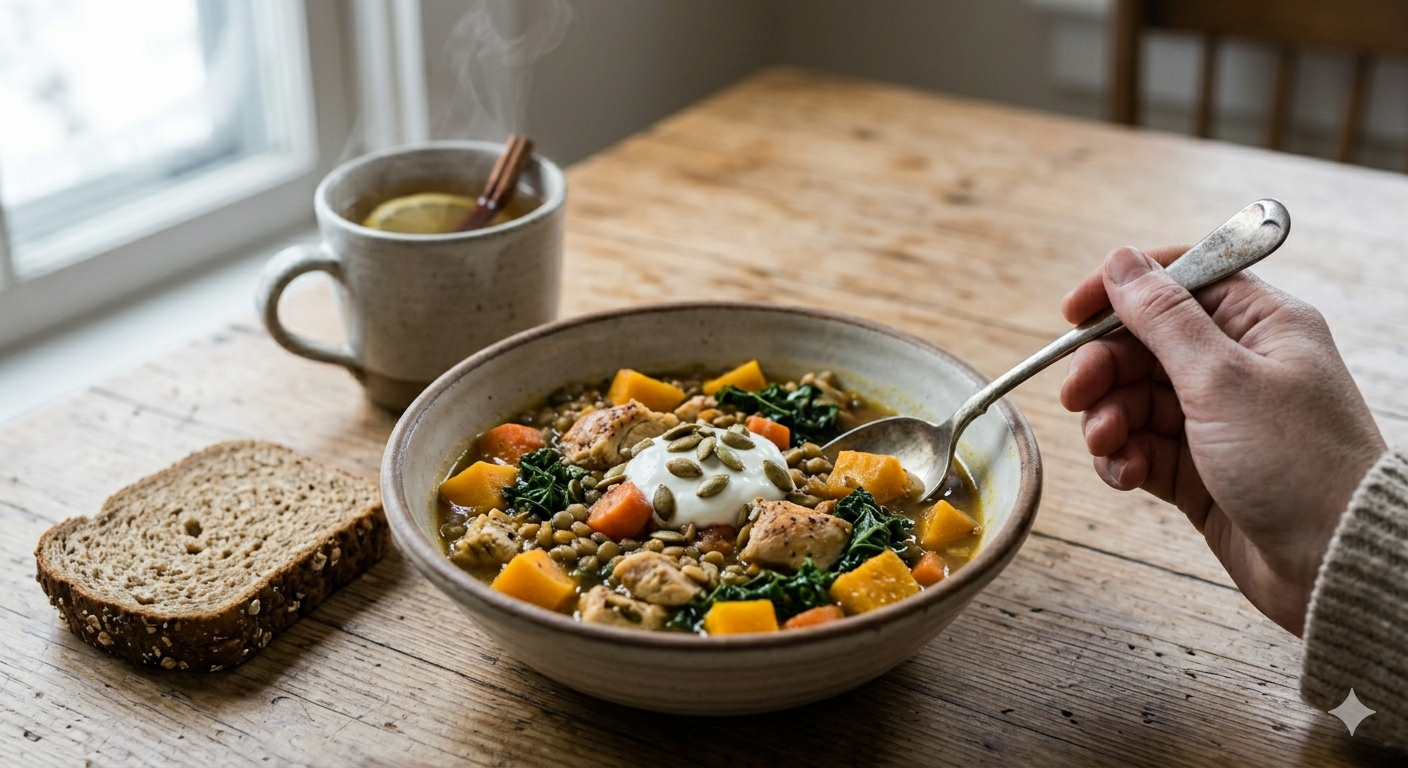
Building a Balanced Cold-Season Menu with Everyday Foods
Creating a balanced menu during the colder months does not have to be difficult or expensive. In fact, many everyday foods can be combined in simple ways to make meals that feel comforting, practical, and nourishing. The key is not to search for one “perfect” ingredient, but to build a pattern of eating that includes variety from different food groups. This approach is often easier to maintain over time and works well for individuals as well as families.
A good place to start is with vegetables. They add color, texture, and variety to meals, and they can be used in many different forms. Fresh, frozen, and cooked vegetables can all be part of a balanced diet. During colder months, warm vegetable-based dishes are often especially appealing. Roasted vegetables, soups, stews, and grain bowls can make it easier to include produce in lunch and dinner. For those with limited time, frozen vegetables can be a practical option because they are easy to store and prepare.
Protein is another important part of a balanced menu. It can come from many sources, including eggs, fish, poultry, dairy products, beans, lentils, tofu, and nuts. Including a source of protein in meals and snacks can help make food choices feel more complete and satisfying. For example, a lunch of soup and bread may become more balanced by adding beans, chicken, or yogurt on the side. Small adjustments like these can make everyday meals more filling without making them complicated.
Whole grains and other fiber-rich carbohydrate sources also deserve a place in cold-season meal planning. Foods such as oats, brown rice, quinoa, whole grain bread, and potatoes can provide structure to meals and pair well with vegetables and proteins. During colder months, people often prefer heartier foods, and these ingredients can help create meals that are both warm and practical. A bowl of oatmeal in the morning, a sandwich on whole grain bread at lunch, or a dinner built around rice and vegetables are all simple examples.
Healthy fats can also contribute to a balanced eating pattern. They can come from foods like avocados, seeds, nuts, olive oil, and certain types of fish. These ingredients can add flavor and help meals feel more satisfying. They do not need to be used in large amounts to be useful. A small handful of nuts as a snack, a spoonful of seeds on oatmeal, or olive oil in a homemade dressing can all fit naturally into daily meals.
Snacking habits are also worth considering during the colder months. Busy routines and shorter days may lead people to reach for highly processed convenience items more often. While occasional convenience foods are a normal part of life, keeping a few balanced snack options at home can make choices easier. Fruit with yogurt, whole grain crackers with cheese, nuts with dried fruit, or sliced vegetables with hummus are all examples of easy snacks that do not require much preparation.
Meal planning becomes easier when people think in combinations rather than isolated ingredients. Instead of asking whether one specific food is “healthy enough,” it can be more helpful to look at the full meal. A balanced menu often works best when different foods complement each other. For example, tomato soup with whole grain toast and a boiled egg can be a more complete meal than soup alone. Baked potatoes served with beans and a side salad create another simple and balanced option. These combinations are not complicated, but they can make a big difference in everyday meal quality.
It is also important to make food choices realistic. Not everyone has time to cook from scratch every day, and not every meal needs to look ideal. Practical eating often means using what is available and making reasonable choices within daily routines. Store-bought soup can be paired with fresh fruit. A sandwich can be improved with extra vegetables. Leftovers can become the base for the next day’s lunch. These small decisions help create a more balanced pattern without adding unnecessary pressure.
In the colder season, many people look for foods that feel warm, grounding, and familiar. That is completely natural, and balanced eating can include these preferences. The goal is not to remove comfort from meals, but to add variety and structure to them. With vegetables, protein sources, whole grains, healthy fats, and simple planning, it becomes much easier to build a cold-season menu that supports everyday wellness and fits real life.