
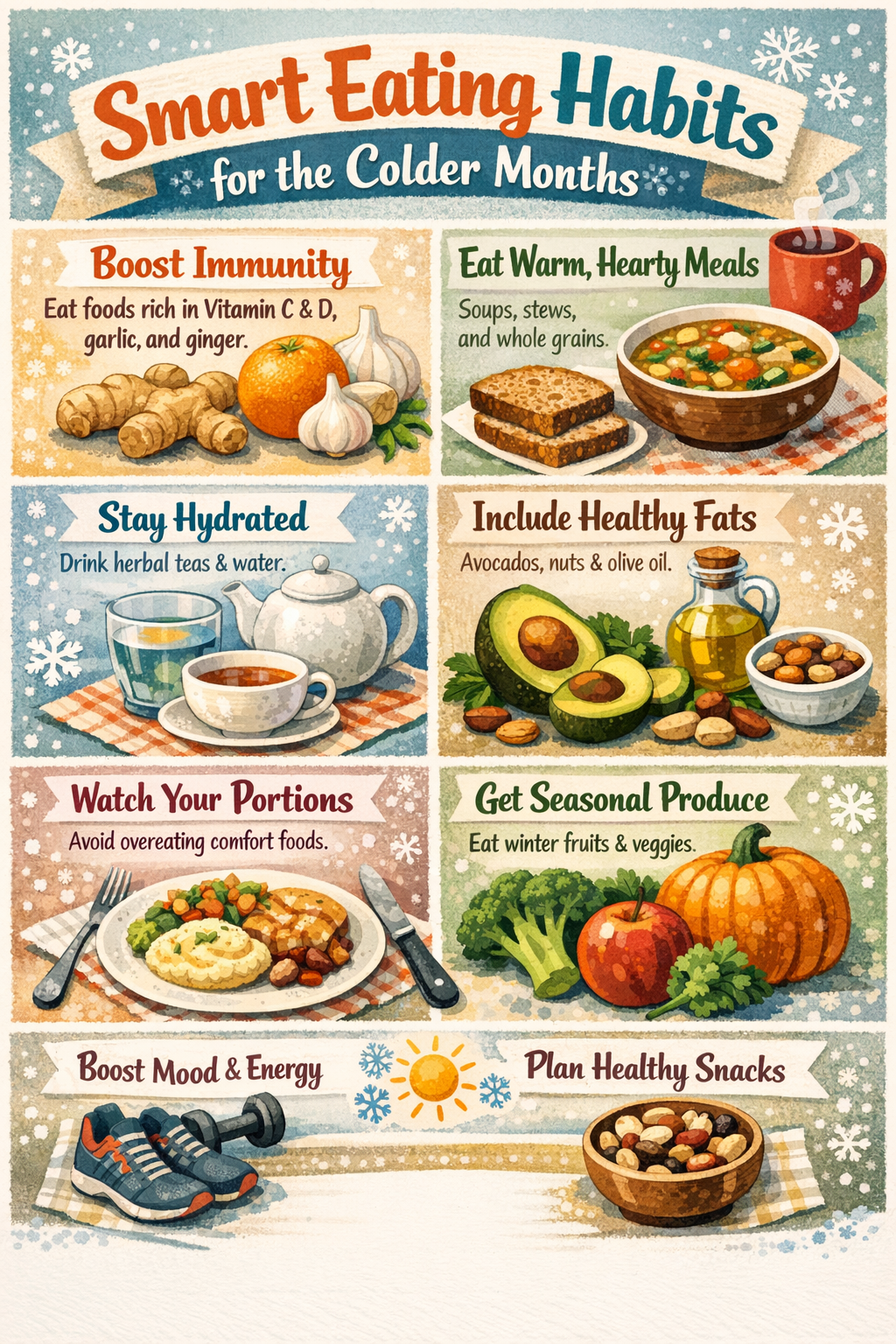
Smart Eating Habits for the Colder Months
When the weather turns colder, many people start paying more attention to their daily routines, including the foods they eat. Seasonal changes often influence appetite, meal choices, and even the way people organize their schedules. During this time of year, balanced nutrition can be a helpful part of an overall wellness routine. Rather than focusing on extreme diets or trendy food rules, it is often more practical to build meals around variety, consistency, and simple ingredients that are easy to include in everyday life.
One of the easiest ways to approach seasonal nutrition is to think in terms of balance. A balanced plate often includes vegetables, a source of protein, whole grains or other fiber-rich carbohydrates, and healthy fats. This kind of combination can make meals feel more satisfying and can help support steady energy throughout the day. During colder months, warm and comforting meals can still fit into a balanced eating pattern. Soups with vegetables and beans, grain bowls with roasted produce, oatmeal with fruit and nuts, or baked fish with a side of rice and greens are all examples of practical options.
Seasonal produce can also play an important role. Many fruits and vegetables commonly available during colder months are easy to use in simple recipes. Root vegetables such as carrots, sweet potatoes, and beets are versatile and can be roasted, mashed, or added to soups. Leafy greens can be used in warm side dishes, grain meals, or egg-based breakfasts. Apples, pears, and citrus fruits are also popular seasonal choices that can add variety to snacks and meals. Choosing produce that is in season can make meal planning feel more natural and can also encourage a wider range of foods in the diet.
Another useful habit during the colder season is planning meals in advance. Shorter days and busier schedules often lead people to rely on convenience foods or skip regular meals. While convenience has its place, a small amount of preparation can make balanced eating easier. Keeping staple foods at home, such as oats, yogurt, eggs, canned beans, brown rice, frozen vegetables, and fresh fruit, can help create quick meals without much effort. Even basic planning, such as deciding on a few dinners for the week or preparing ingredients ahead of time, can reduce stress and make it easier to maintain healthy routines.
Breakfast is another area where small improvements can make a difference. A balanced breakfast does not need to be complicated. It can be as simple as oatmeal topped with fruit and seeds, whole grain toast with eggs, or yogurt with nuts and berries. Starting the day with a meal that includes a mix of nutrients may help people feel more prepared for work, school, or daily responsibilities. In colder months, warm breakfasts can feel especially comforting and may be easier to maintain as a regular habit.
Hydration is sometimes overlooked when temperatures drop. People often feel less thirsty in cold weather, yet fluids still remain an important part of daily well-being. Water, herbal teas, and foods with high water content can all contribute to good hydration habits. Warm beverages can be especially appealing in the colder season, but it is often useful to pay attention to added sugar in flavored drinks. A simple cup of tea, warm water with lemon, or homemade soups can fit well into a balanced daily routine.
It is also worth remembering that seasonal nutrition does not need to be perfect. Many people enjoy festive meals, comfort foods, and social gatherings during colder months, and these can be part of a normal eating pattern. A balanced approach allows room for both nourishment and enjoyment. Instead of aiming for rigid rules, it may be more realistic to focus on overall patterns: eating regularly, including a range of food groups, cooking at home when possible, and choosing meals that feel both satisfying and practical.
In the end, smart eating habits for the colder months are usually built on consistency rather than extremes. Warm meals, seasonal produce, simple planning, and balanced food choices can all support a sustainable approach to daily wellness. By focusing on variety and routine, people can create meals that are enjoyable, realistic, and well suited to the season.